


Table of Contents
Loyalty has always been the backbone of strong channel relationships. For decades, brands have relied on incentives like rebates, points, or cash rewards to keep partners motivated. And the results speak for themselves. According to the Incentive Research Foundation (IRF), well-designed channel partner reward programs can drive a 71% boost in product and brand awareness. They also drive a 67% increase in sales and market share and a 55% improvement in customer loyalty and satisfaction.
Over the next 24 months, the future of channel loyalty programs will revolve around hyper-personalization, deeper channel partner engagement, and data-fueled decision-making.
Let’s look at a regional reseller in the IT space, a global distributor, and a niche influencer in a vertical like HVAC or outdoor lifestyle. All these people contribute to the channel ecosystem, but each has very different motivators. Suppose a brand continues to push the same rebate-based loyalty program across all three. The reseller may feel overlooked, the distributor underwhelmed, and the influencer disengaged altogether. That’s not just a missed opportunity; it’s a risk to partner retention and revenue growth.
This is why one-size-fits-all loyalty programs no longer work. Partners expect brands to understand their unique needs and deliver rewards that feel personalized. The future lies in loyalty strategies driven by personalization, engagement, and data-backed insights.
The Future of Channel Loyalty Programs: Why One-Size-Fits-All Models Are Obsolete
For years, loyalty programs took a uniform approach, offering the same incentives, rewards, and recognition to every partner in the network. That model worked when the market was less complex, partner roles were clearly defined, and expectations were modest.
But as the channel landscape evolves, this static strategy no longer holds. Today’s ecosystems are far more diverse and dynamic, and success requires adopting personalized channel loyalty strategies that reflect the specific needs and motivations of every partner. Clinging to outdated loyalty models doesn’t just limit growth, it actively erodes trust and dampens channel partner engagement.
Why Traditional Loyalty Programs Fail

- Diverse Partner Ecosystems
Every partner is unique. A managed service provider (MSP) values enablement, training, and exclusive solution insights, while a retail reseller may prioritize straightforward financial rewards and marketing support. Independent consultants and niche influencers, on the other hand, may respond better to loyalty program personalization that offers access, exclusivity, and reputation-building and managing channel incentives. Treating these groups the same overlooks critical nuances, causing partners to disengage.
- Evolving Expectations
In an age where digital experiences define consumer loyalty, partners expect consumer-grade experiences, intuitive platforms, mobile-first design, seamless integrations, and rewards that feel uniquely tailored to them. Modern channel partner engagement depends on meeting these expectations with platforms that deliver flexibility and personalization. Programs that fail to evolve quickly appear outdated and irrelevant.
- Missed Opportunities
Uniform loyalty programs often fail to capture or reward high-value behaviors beyond transactions. Actions such as early solution adoption, cross-selling complementary products, educating customers, or generating new market opportunities often go unnoticed. This lack of recognition leaves measurable growth potential untapped and weakens overall channel partner engagement.
- Lack of Agility
Markets shift quickly, driven by new technologies, regulations, and evolving customer demands. Static loyalty programs that take months to adapt incentive structures are no longer effective. With evolving channel loyalty trends, brands need agile systems that adjust in real time to keep pace with these rapid changes.
- Poor Data Utilization
Many legacy programs fail because they lack actionable insights. Without leveraging data, brands continue to offer rewards based on assumptions rather than actual partner behavior or performance. Successful personalized channel loyalty strategies begin with data, using real-time analytics to align incentives with what truly motivates partners.
Consider the automotive industry, where both high-volume dealerships and boutique specialty shops contribute significantly to a brand’s success. High-volume dealers often seek aggressive volume-based rebates and priority access to new products, while smaller specialty shops value training resources, localized marketing support, or niche incentives that highlight their expertise.
When these two groups are offered the same rebate program with identical thresholds, timelines, and payout structures, the disconnect is immediate. Smaller partners quickly perceive the program as unattainable, while top performers view the rewards as underwhelming. Over time, both groups disengage, creating a ripple effect that reduces sales momentum, limits channel partner engagement, and weakens overall market performance.
The future of channel loyalty programs demands programmatic flexibility, where rewards and experiences are tailored to the unique realities of each partner segment. By moving beyond rigid, one-size-fits-all frameworks and embracing thoughtful loyalty program personalization, brands can unlock stronger channel partner engagement and stay ahead of evolving channel loyalty trends that will shape the industry in the years to come.
Personalization as the Core in the Future of Channel Loyalty Programs
When most people hear the word personalization, they often think of simple product recommendations. In the context of loyalty program personalization, however, it goes much deeper. It means designing partner experiences that feel tailor-made, aligning perfectly with each partner’s stage of growth, business objectives, and unique market context. Personalization is not a trend but the foundation for creating meaningful connections and fostering long-term channel partner engagement.
Elements of True Loyalty Program Personalization
- Tiered Engagement Models

Not all partners are at the same level of maturity, so their journeys should not look the same. Early-stage partners can be motivated through training credits, onboarding assistance, and quick-start resources that help them gain momentum. More experienced partners, on the other hand, benefit from higher-value offerings. These include co-marketing funds, access to exclusive beta programs, or strategic planning sessions that position them as trusted allies in the channel ecosystem. This thoughtful approach to loyalty program personalization ensures that every partner, regardless of size or stage, feels supported in ways that matter most to them.
- Dynamic Reward Structures
Static rewards are a thing of the past. Today, partners want flexibility and choice. A truly personalized channel loyalty strategy lets them decide what drives their business forward. One partner might prefer rebates to boost their bottom line, while another values access to market development funds for campaign expansion. Others might prioritize training stipends, early access to new tools, or premium analytics dashboards that help them identify growth opportunities with precision. This level of adaptability transforms loyalty from a generic program into a powerful engagement engine.
- Localized Engagement
Regional differences can make or break a loyalty strategy. What resonates with partners in North America might fall flat in APAC or EMEA due to cultural nuances, market maturity, or customer behavior. Localized engagement ensures every campaign speaks to the realities of each geography, whether it is adapting promotional timelines, offering region-specific training programs, or tailoring channel incentive programs to match regional buying patterns. Successful brands build personalized channel loyalty strategies that are globally consistent yet locally relevant.
- Role-Based Incentives
Within any partner organization, roles differ, and so do motivators. Technical teams often thrive when rewarded for certifications, specialized training, or innovative solution design. Sales teams, on the other hand, respond best to performance-based bonuses, recognition in partner communities, or exclusive invites to strategic networking events. Recognizing and rewarding contributions based on roles not only improves channel partner engagement but also creates a deeper sense of alignment between partners and brands.
Personalization as a Strategic Imperative
Personalization is no longer an optional enhancement to loyalty programs; it is a core requirement for sustaining relevance in an increasingly competitive environment. Brands that integrate loyalty program personalization into their operations see measurable improvements in partner satisfaction, retention, and revenue growth.
Consider a global technology vendor that operates across multiple partner tiers and industries. By leveraging personalized channel loyalty strategies, they deliver curated experiences to every segment. New partners receive guided onboarding and clear success paths, while top-tier partners access exclusive strategic sessions and innovation previews. The result is an ecosystem where partners feel valued as individuals, not just numbers on a dashboard.
Personalization Driving the Next Wave of Engagement
As evolving channel loyalty trends reshape the partner landscape, personalization will become the ultimate differentiator. Partners are no longer motivated solely by financial rewards; they seek relationships that understand their specific goals and challenges.
The next wave of loyalty innovation will prioritize:
- Platforms that learn from partner behavior and surface tailored insights
- Incentives that align with both business outcomes and partner preferences
- Consistent feedback loops that help refine and optimize engagement
When personalization becomes the foundation of a loyalty program, the relationship between brands and partners transforms from transactional to collaborative. This shift builds trust, drives deeper channel partner engagement, and creates ecosystems where every partner sees the program as indispensable to their growth journey.
Channel Partner Engagement in the Future of Channel Loyalty Programs

Engagement is the lifeblood of loyalty. Without it, even the most well-funded programs fall flat. The future of channel loyalty programs will require brands to go beyond transactional rewards. Lasting success will come from building strong, meaningful, and ongoing relationships with partners.
Strong channel partner engagement is no longer optional. It is the bridge between well-designed loyalty programs and real business growth. Partners need to feel connected to the brand, valued for their contributions, and supported in ways that drive mutual success.
How Engagement Strategies Will Evolve
- Activity-Based Incentives
Modern programs will reward much more than closed sales. Points for hosting customer demos, submitting success stories, or participating in beta programs will drive consistent, holistic engagement. These rewards recognize the small, high-impact actions that strengthen a partner’s connection with the brand.
- Next-Generation Gamification
Gamification is evolving rapidly. Expect collaborative missions, team-based challenges, and region-specific leaderboards that foster a sense of community. Partners will not only compete but also collaborate, sharing insights and working toward common goals. This keeps programs engaging, fresh, and aligned with evolving channel loyalty trends.
- Flexibility and Choice
Rigid rewards discourage participation. Empowering partners with choices makes engagement personal and effective. Some may want learning credits to upskill. Others might prefer marketing budgets, exclusive early access to products, or enhanced training programs. True flexibility signals that the program understands partner needs.
- Status-Driven Recognition
Recognition is as powerful as financial rewards. Advisory board invitations, speaking opportunities at industry events, and early access to innovations build prestige. These forms of loyalty program personalization strengthen emotional connections and drive loyalty well beyond monetary incentives.
Engagement in Action
Consider a technology distributor rolling out a personalized channel loyalty strategy. They introduce a point system for training completions, peer-to-peer knowledge sharing, and participation in collaborative innovation labs. This can be done by a self-service partner portal. Partners feel empowered to engage in ways that align with their strengths. This way, the loyalty program grows into more than a reward system. It becomes a community where partners feel seen, valued, and motivated to succeed.
The New Standard for Engagement
The future of channel loyalty programs will reward more than sales volume. It will recognize behaviors that build the ecosystem like education, collaboration, advocacy, and innovation. Brands that embrace this shift will see stronger channel partner engagement, higher program participation, and deeper loyalty that withstands market changes.
When engagement is meaningful and consistent, loyalty stops being transactional. It evolves into a strategic partnership where every interaction adds measurable value for both the brand and the partner.
Data and Analytics as the Foundation of the Future of Channel Loyalty Programs
Personalization and engagement are no longer optional. They are now essential pillars of success. Yet, neither is possible without strong data and actionable insights. As the market becomes more competitive, data-driven decision-making will define the future of channel loyalty programs. Brands that embrace analytics will build programs that are smarter, more adaptive, and more valuable to their partners.
Modern loyalty programs thrive when data fuels every decision. When analytics guide program design, channel partner engagement improves naturally. Partners feel recognized for the value they bring, and brands gain a clearer understanding of which efforts drive results.
Key Components of a Data-Driven Loyalty Program

- Unified Partner Profiles
Data silos are a silent growth killer. Bringing together information from PRMs, CRMs, and ERP systems into a unified partner profile delivers a single, accurate view of the partner journey. This holistic perspective allows brands to tailor loyalty program personalization with precision, ensuring every reward, communication, and opportunity aligns with the partner’s status and future goals.
- Predictive Analytics
AI-driven predictive models will transform loyalty management. They can forecast partner disengagement, highlight emerging growth opportunities, and even anticipate shifts in buying behaviors. With these insights, brands can take proactive steps, such as offering targeted rewards, providing additional support, or creating personalized channel loyalty strategies to keep partners engaged and growing.
- Real-Time Visibility
Static reports are outdated. Modern loyalty platforms deliver real-time dashboards that provide instant visibility into program performance. Points earned, campaign participation, and ROI are all updated live. This level of transparency not only builds trust but also empowers partners to track their progress and make informed decisions about how to engage more effectively.
- Behavioral Insights
Transaction data tells only part of the story. The most successful programs analyze behavior beyond sales. Training completions, cross-sell initiatives, advocacy activities, and participation in enablement programs are all key indicators of a partner’s engagement. By tracking these milestones, brands can refine their incentives and better support partner success. This deeper understanding fuels evolving channel loyalty trends that emphasize relationship-building over pure sales metrics.
Data in Action
Imagine a global technology vendor managing hundreds of channel partners. Data reveals that a mid-tier distributor is steadily driving adoption of premium products in a niche market. Armed with this insight, the brand quickly responds. They offer exclusive MDF funds, targeted co-branded campaigns, and access to advanced training modules that position the distributor as a market leader.
This is data-driven loyalty program personalization in action. By recognizing and rewarding the right efforts, brands strengthen relationships and accelerate revenue growth without relying solely on broad, one-size-fits-all incentives.
The Path Forward
The future of channel loyalty programs will be built on intelligent data ecosystems. Brands that collect, analyze, and act on insights will lead the way. Those that ignore data risk falling behind as evolving channel loyalty trends demand programs that are responsive, transparent, and partner centric.
By integrating analytics into every layer of the loyalty experience, brands can design programs that are not only personalized but also predictive, ensuring that partners stay engaged, motivated, and aligned with shared goals. In this data-driven future, success belongs to those who reward the right efforts, at the right time, with the right incentives.
Evolving Channel Loyalty Trends That Will Shape 2025–2026
The next two years will bring a seismic shift in how brands design and execute loyalty programs. These evolving channel loyalty trends will redefine what it means to build and sustain loyalty in a highly competitive channel ecosystem. Brands that recognize these shifts early and embed them into their strategies will gain a significant edge in both channel partner engagement and long-term growth.
Loyalty will no longer be about transactions alone. Instead, it will become a dynamic ecosystem that combines loyalty program personalization, real-time data, and deep collaboration with partners to create value at every touchpoint.
Key Trends to Watch

- Sustainability-Linked Rewards
Sustainability is no longer a side initiative; it is a strategic priority for many industries. Partners are looking for brands that share their values and commitment to the planet. Incentives tied to eco-conscious practices are becoming mainstream. Think rewards for selling eco-certified products, implementing green supply chain processes, or achieving measurable carbon reductions.
For example, an HVAC brand might reward technicians who complete energy-efficiency certifications or partners who meet green compliance standards. These incentives do more than drive engagement. They demonstrate shared values and help brands position themselves as leaders in responsible business practices.
- Expanding the Definition of “Partner”
The definition of a channel partner is evolving. Today, the ecosystem includes influencers, consultants, and digital creators who shape purchasing decisions in subtle but powerful ways. These non-traditional partners are integral to modern personalized channel loyalty strategies.
By recognizing and rewarding content creators who drive awareness or consultants who help close complex deals, brands tap into a wider network of advocates. This evolution opens new opportunities to engage and reward partners whose contributions go beyond direct sales but still drive measurable impact.
- Micro-Incentives for Consistency
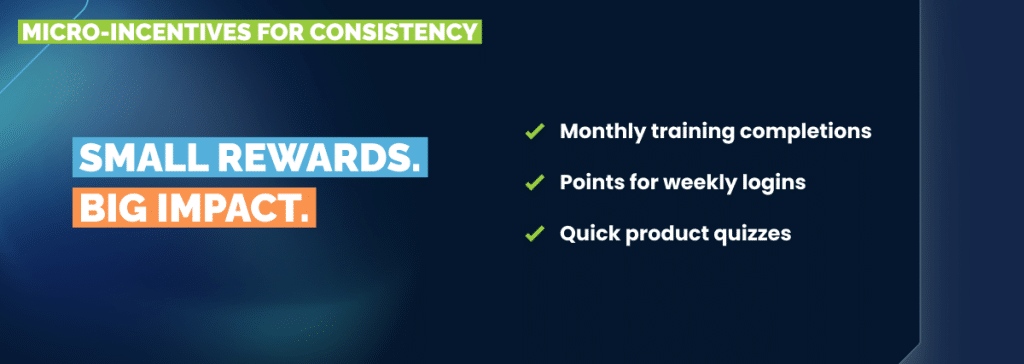
Consistency drives momentum. That is why micro-incentives are quickly becoming a cornerstone of evolving channel loyalty trends. Small, frequent rewards, like points for weekly logins, quick product quizzes, or monthly training completions, keep partners consistently engaged throughout the year.
These bite-sized incentives create ongoing interactions rather than sporadic bursts of activity. Over time, they foster a habit of engagement that strengthens partner loyalty and creates a steady stream of actionable insights for the brand.
- Blended Enablement and Loyalty
The line between enablement and loyalty is disappearing. Future-ready programs will integrate training, education, and certification milestones directly into the loyalty framework. Partners will not just be rewarded for selling but for developing the skills and knowledge needed to sell more effectively.
This loyalty program personalization approach ensures partners are equipped to thrive while also driving results for the brand. A software company, for example, might offer additional incentives when a partner completes advanced technical training or successfully implements new solutions with customers.
- Experience-First Loyalty
Cash rewards and points still matter, but they are no longer enough to create a competitive edge. Partners now value experiences, access to strategic insights, VIP roundtables, and co-innovation labs, that help them grow their businesses and strengthen relationships with the brand.
Invitations to exclusive events, one-on-one strategy sessions, or collaborative innovation workshops are becoming high-value rewards. These experiences foster trust, deepen channel partner engagement, and create a sense of community that transcends transactional interactions.
A Broader Industry Shift
Collectively, these evolving channel loyalty trends signal a larger movement in the industry. Loyalty programs are no longer static frameworks focused solely on transactions. They are transforming into holistic, partnership-driven ecosystems that prioritize relationships, data-driven personalization, and shared growth.
The brands that thrive in this environment will be those that adapt quickly, invest in personalized channel loyalty strategies, and design programs that reward behaviors contributing to long-term success, not just immediate revenue.
Building Future-Ready Channel Loyalty Programs: A Strategic Blueprint
Transitioning to a future-ready channel loyalty program is not about tweaking a rewards catalog or running occasional promotions. It requires a fundamental shift in strategy, mindset, and technology. Brands must reimagine their loyalty ecosystems to be dynamic, data-driven, and personalized, ensuring they adapt seamlessly to the evolving needs of partners and markets.
The brands that succeed in this transformation will be those that combine loyalty program personalization with scalable technologies and a clear understanding of partner expectations. The focus should move from simply running a program to creating an integrated experience where channel partner engagement thrives and every interaction adds measurable value.
Strategic Steps to Get Started with Future-Ready Loyalty Programs

- Conduct Partner Segmentation Audits
One-size-fits-all strategies no longer work. Conduct deep audits to segment your partners based on behavior, market maturity, vertical focus, and geographic nuances. This segmentation allows you to create personalized channel loyalty strategies that align with each partner’s specific goals. For instance, an early-stage reseller may need educational resources and onboarding incentives, while an established distributor might expect co-marketing funds and early access to innovations.
- Adopt Modular Reward Frameworks
Flexibility is key to future-ready loyalty design. Programs should allow partners to toggle between multiple reward types, such as cash, MDF allocations, training credits, or status-based perks, as their needs evolve. This loyalty program personalization approach ensures rewards remain relevant, adaptable, and valued across partner types and regions. Partners gain a sense of ownership when they can choose the incentives that best support their unique business objectives.
- Invest in Integrated Technology
Technology is the backbone of evolving channel loyalty trends. Modern loyalty platforms must integrate seamlessly with CRM and PRM systems, providing a unified, frictionless experience. Integration enables accurate data collection, real-time analytics, and actionable insights. It also simplifies the partner experience, reducing friction and encouraging consistent program participation. When systems are aligned, personalization scales effortlessly and efficiently.
- Co-Create with Partners
True innovation in loyalty design happens when partners are part of the process. Invite partners to co-create by providing feedback, participating in pilot programs, or joining advisory boards. This collaborative approach uncovers hidden friction points and highlights what truly motivates engagement. Programs built with partner input naturally foster stronger channel partner engagement because they reflect the real-world needs and aspirations of the people they aim to serve.
- Measure the Right KPIs
Sales numbers alone no longer tell the full story of program success. To stay competitive, brands must track a more comprehensive set of metrics. Monitor engagement indicators such as training completion, adoption of digital tools, campaign participation, and advocacy efforts. These metrics provide a 360-degree view of partner health and help fine-tune programs to drive both engagement and revenue growth. The focus should be on long-term loyalty outcomes, not just short-term wins.
Futuristic Loyalty Ecosystem in Action
Consider a global electronics brand implementing a new AI-driven loyalty platform. Partners log into a unified hub that delivers real-time performance insights, tailored training recommendations, and dynamic co-marketing opportunities. The system adapts continuously, offering relevant incentives based on behavior, history, and projected opportunities.
A mid-tier reseller might see invitations to complete advanced certifications, while a high-performing distributor could receive instant recommendations for premium incentives or market expansion opportunities. This level of loyalty program personalization turns the platform from a static tool into an interactive, growth-driving ecosystem that scales across global markets.
Building for Agility and Growth
The future of channel loyalty programs belongs to brands that embrace agility, data, and deep personalization. By combining personalized channel loyalty strategies with robust technology and continuous feedback loops, loyalty becomes more than a reward system, it evolves into a true partnership model.
Brands that make this shift will see measurable improvements in channel partner engagement, stronger relationships, and scalable loyalty programs that not only meet today’s needs but also adapt effortlessly to tomorrow’s challenges.
Final Thoughts: From Rewards to Relationships
The future of channel loyalty programs is about evolution, not revolution. Rebates and points will remain, but they will be enhanced by experiences, personalization, and data-driven insights that build deeper, more meaningful partnerships.
Loyalty is no longer just about rewarding transactions. It’s about driving channel partner engagement that recognizes collaboration, innovation, and long-term value. Partners want programs that feel personal and responsive to their needs.
Brands that embrace personalized channel loyalty strategies and leverage loyalty program personalization will stand out. By using data and analytics to adapt programs in real time, they create ecosystems where partners feel valued for both performance and contribution.
In short, loyalty will stop being a program you “run” and become a partnership you nurture; an ecosystem built on trust, collaboration, and shared growth. To get expert help with your loyalty program management, get in touch with Channel Fusion. We have the most comprehensive solutions for channel management and marketing. Talk to us today.


